
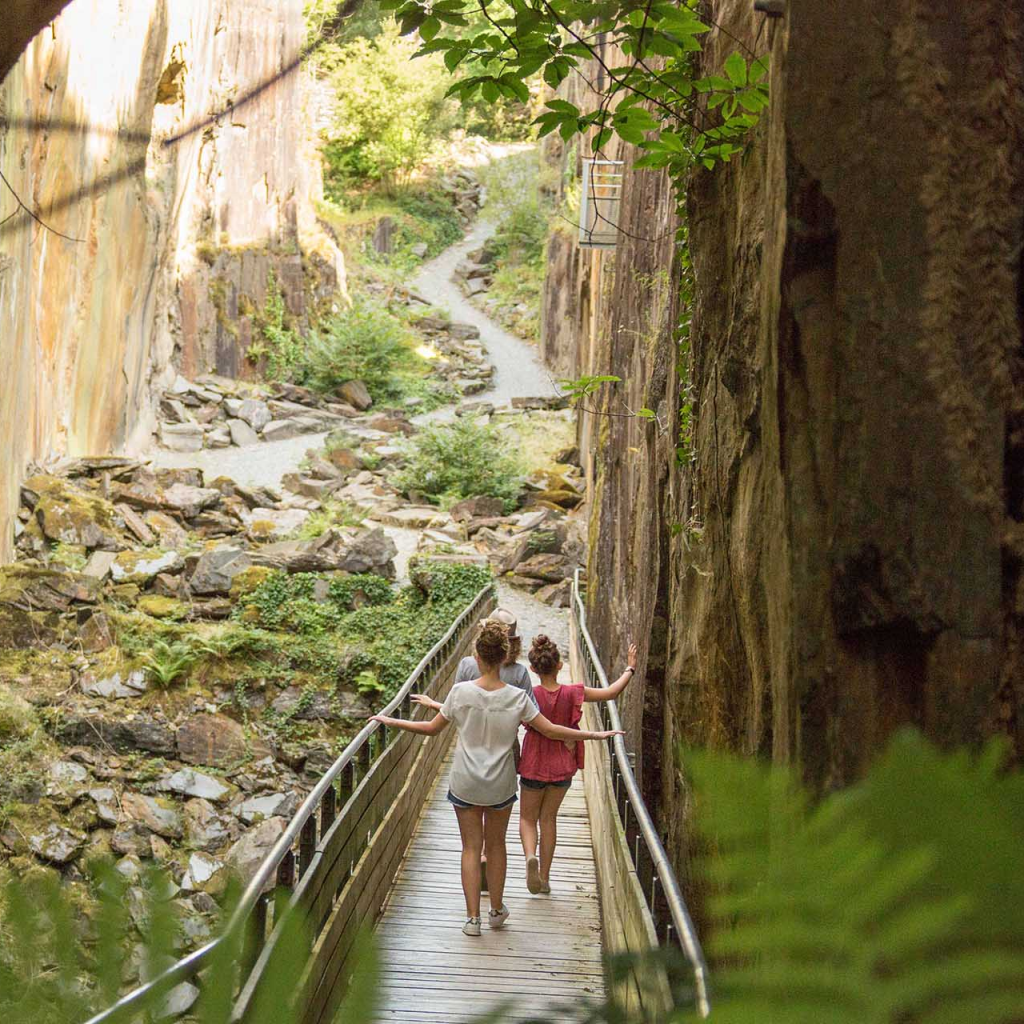
Imagine stepping into a landscape where history and nature intertwine in a captivating display—welcome to Les Pans de Travassac, a hidden gem in the heart of the Corrèze department only 50 mn from your home by car.
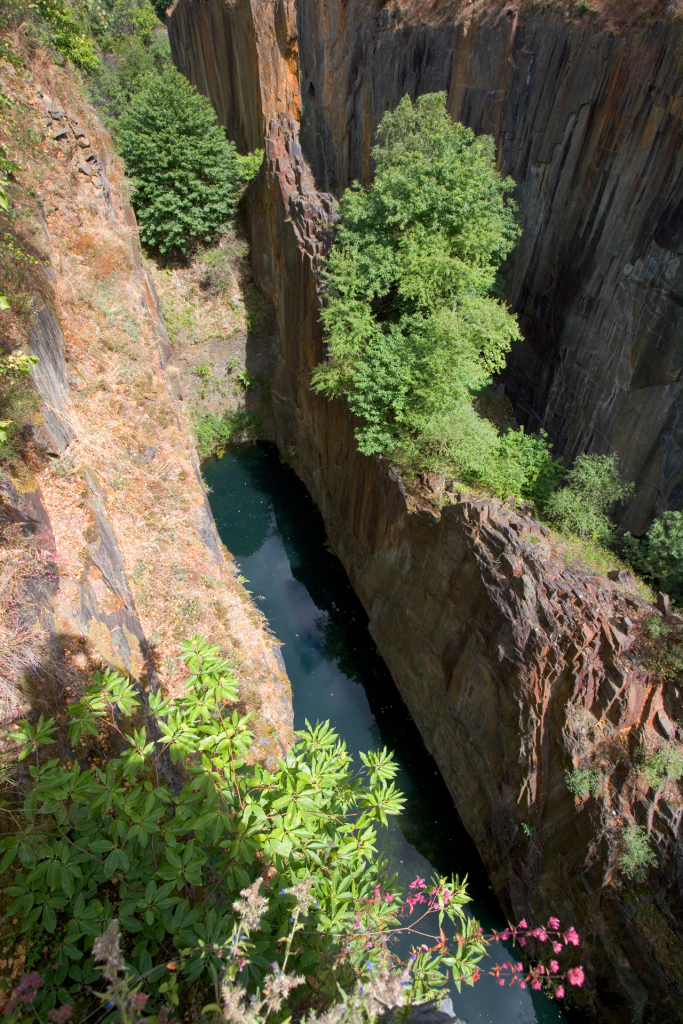

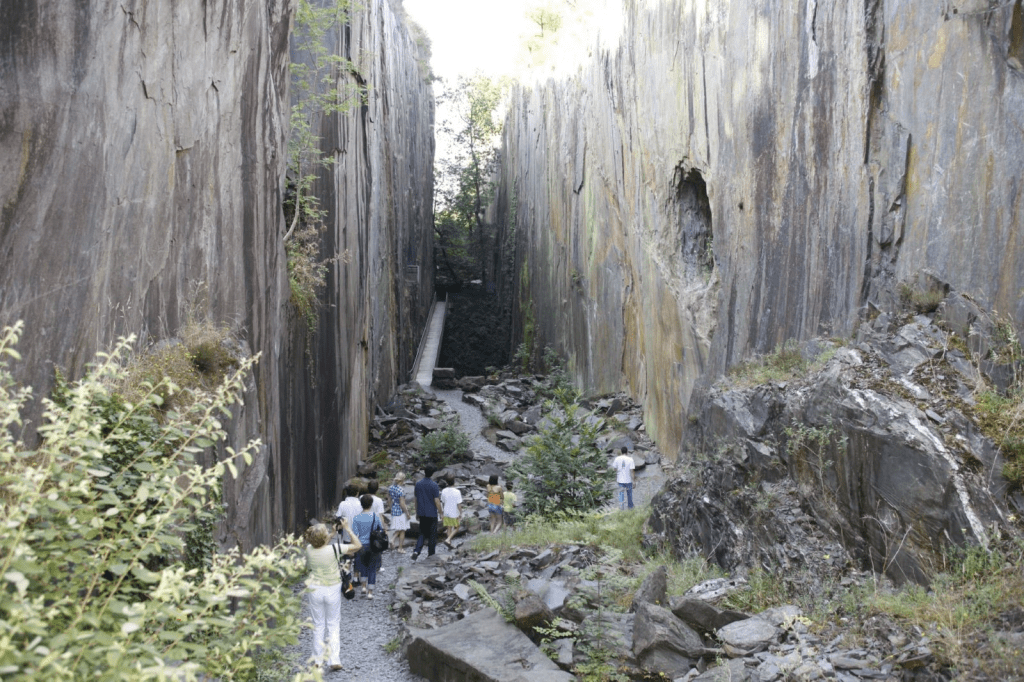
As you approach, the first thing that strikes you is the dramatic beauty of the site: towering cliffs of slate rise majestically from the earth, their surfaces etched with the marks of centuries-old quarrying. These impressive formations, shaped by both natural forces and human hands, create a surreal and almost otherworldly atmosphere that invites you to explore deeper.
Walking through the narrow paths between the slate walls, you are immediately enveloped by the sense of history that permeates Les Pans de Travassac. The quarry has been in operation since the 17th century, and the traditional methods of extracting and shaping slate are still demonstrated by skilled artisans today. As you observe these craftsmen at work, splitting the slate with precision and care, you gain a profound appreciation for the artistry and labor that goes into producing the fine roofing materials that adorn many of France’s historical buildings. The rhythmic sounds of chisels against stone and the cool, earthy scent of the slate create an immersive experience that connects you to the past.

Beyond the quarry itself, the site offers stunning views of the surrounding landscape. From various vantage points, you can gaze out over the verdant Corrèze countryside, dotted with charming villages and rolling hills. The juxtaposition of the rugged slate cliffs and the serene natural beauty creates a picturesque and peaceful setting. As you wander through Les Pans de Travassac, the interplay of light and shadow on the slate surfaces, coupled with the tranquil ambiance of the area, makes for a visually arresting and contemplative visit. Whether you are a history enthusiast, a lover of natural beauty, or simply seeking a unique and enriching experience, Les Pans de Travassac provides a fascinating glimpse into both the geological wonders and the cultural heritage of the region.
 Dordogne valley house
Leave a comment